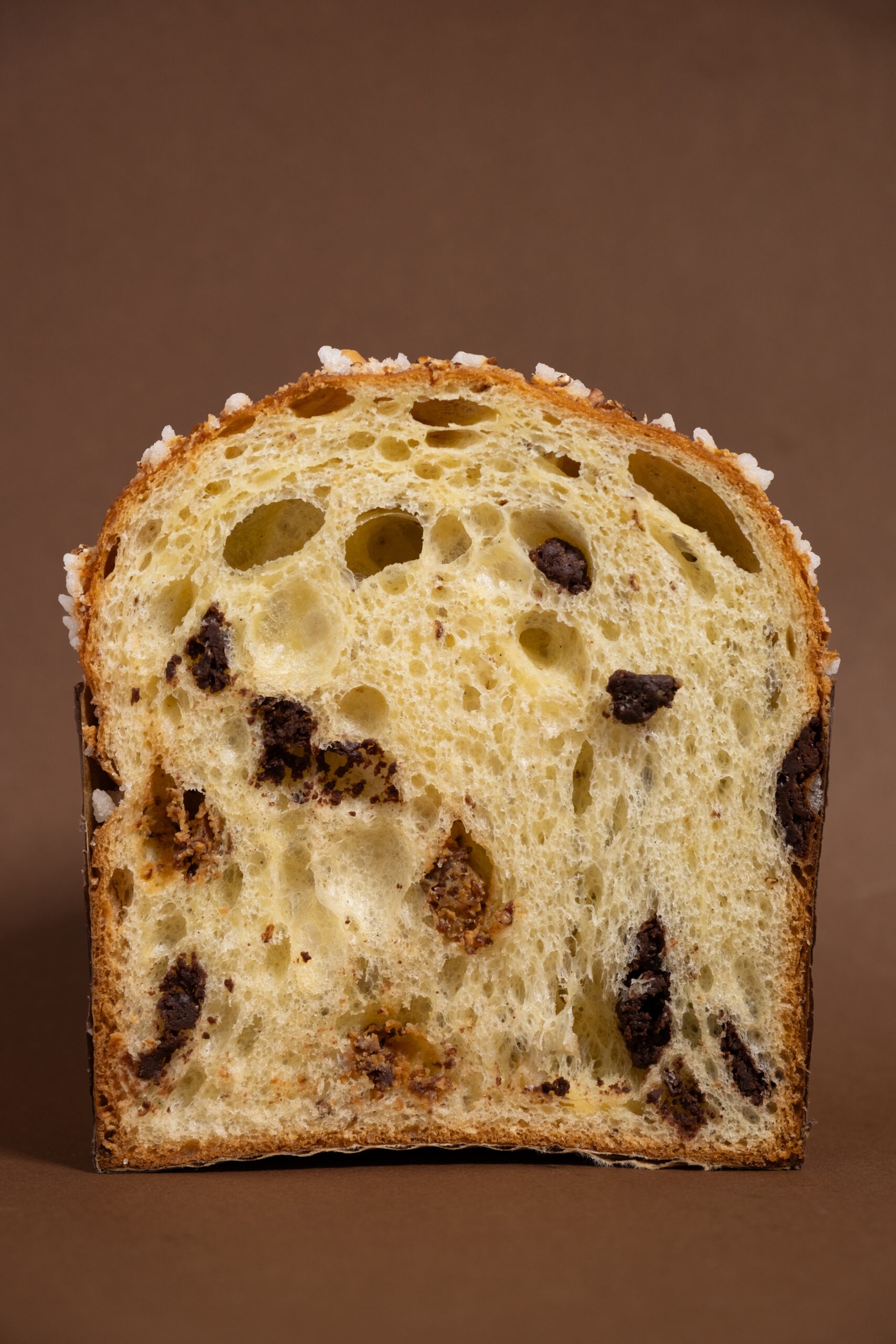
Sobacha Panettone

Corporate chef
Step 1 Dark Chocolate Gianjuja and Sobacha
| 200g | (40%) | Coverage: 64% |
| 25g | (5%) | Cocoa butter |
| 165g | (33%) | Hazelnut paste |
| 70g | (14%) | Powdered sugar |
| 40g | (8%) | Sobacha ( ) ) |
| 500g | (100%) | TOTAL |
Melt the couverture and cocoa butter, then add the remaining ingredients.
Temper the gianduja and pour it into a 9mm silicone cube mold. (Silikomart
336 mini cubes, 33.5 x 18 cm)
Step 2 Blond Chocolate with Sobacha
| 252g | (84%) | Zephyr Blonde Blanket |
| 48g | (16%) | Sobacha () |
| 300g | (100%) | TOTAL |
Temper the chocolate, add the blended and sifted sobacha, and pour into a 9mm silicone cube mold. (Silikomart 336 mini-cubes, 33.5 x 18 cm)
Step 3 Panettone Starter and Refreshes
| 100g | (25,6%) | Panettone sourdough starter |
| 200g | (51.3%) | 00 Panettone Flour |
| 90g | (23.1%) | Water |
| 390g | (100%) | TOTAL |
Place all the ingredients in the bowl of a stand mixer fitted with the dough hook.
Knead on low speed until the dough is smooth.
Shape the starter into a ball and score a cross on it with a knife. Place the starter in a container covered with plastic wrap in a proofing cabinet at 28°C for 3½ to 4 hours. The starter should triple in volume.
Repeat this process one or two times to obtain a starter strong enough to make the first batch of dough.
Step 4 First Dough
| 102g | (10,4%) | Panettone sourdough starter |
| 164g | (16,7%) | Water |
| 84g | (8,6%) | Sugar |
| 393g | (40%) | 00 Flour |
| 106g | (10,8%) | Egg yolks |
| 133g | (13,5%) | Soft butter |
| 982g | (100%) | TOTAL |
In the bowl of a stand mixer fitted with a dough hook, pour in the water and granulated sugar, add the flour and sourdough starter, and knead on the first speed, then on the second speed, until the dough is smooth and firm. Add the egg yolks, then the butter, and knead again until the dough pulls away from the sides of the bowl (25°C).
Transfer this initial dough to a container or bucket, taking care to mark the dough level.
Place in the proofing cabinet for 8 to 12 hours at 28°C.
The dough should triple in volume.
Step 5 Second Dough
| 955g | (45,9%) | First Dough |
| 131g | (6,3%) | 00 Flour |
| 110g | (5,3%) | Sugar |
| 11g | (0,5%) | Fine salt |
| 27g | (1,3%) | Acacia honey |
| 80g | (3,8%) | Egg yolks |
| 234g | (11,3%) | Soft butter |
| 71g | (3,4%) | Water |
| 220g | (10,6%) | Hazelnut Gianduja and Sobacha Cubes |
| 220g | (10,6%) | Blond Sobacha Chocolate Cubes |
| 20g | (1%) | Sobacha () |
| 2079g | (100%) | TOTAL |
In the bowl of a stand mixer fitted with a dough hook, knead the first dough with the flour on low speed. When the dough begins to pull away from the sides of the bowl, add the sugar, salt, honey, and half of the egg yolks. When the dough pulls away from the sides again, gradually incorporate the butter, the remaining egg yolks, and the water. Finally, add the cubes of filling and the sobacha.
Place in a proofing cabinet for 45 minutes at 28°C before shaping.
Q.S. Paper panettone molds, 500 g
Divide the dough and shape it into 550 g balls on a work surface.
Round the dough a second time before placing the balls in the paper molds.
Place in a proofing cabinet for 5 to 6 hours at 28 °C.
The panettone is ready to bake when the domed part of the dough reaches 3/4 of the way up the mold.
Step 6 Crunchy Almond Glaze
| 20g | (21.1%) | Egg whites |
| 50g | (52,6%) | Sugar |
| 25g | (26,3%) | Almond powder |
| QS | Grain sugar | |
| QS | Hazelnut | |
| 95g | (100%) | TOTAL |
Mix all the ingredients together.
Using a piping bag, pipe a spiral of icing onto the surface of each panettone.
Sprinkle with coarse sugar and chopped hazelnuts, then bake immediately at 165°C for 35 minutes. The panettone is done when its internal temperature reaches 92°C.
Once removed from the oven, use panettone skewers to hang them upside down until they have cooled completely.
Board
Sobacha is a traditional Japanese product that translates to “buckwheat tea” or “buckwheat infusion.” It is made from buckwheat seeds that are polished before roasting, which gives it toasty notes and a crunchy texture. It should not be confused with Kasha, which is made from hulled but unpolished buckwheat seeds.
Products used in this recipe
Discover also
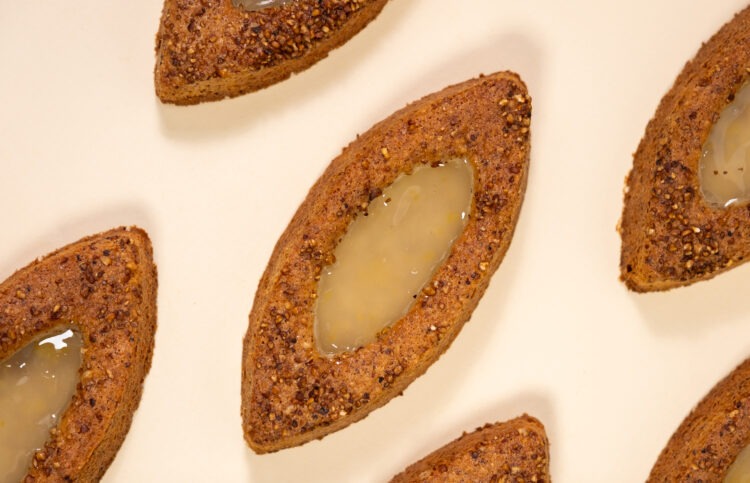
Sobacha and Citron Financial
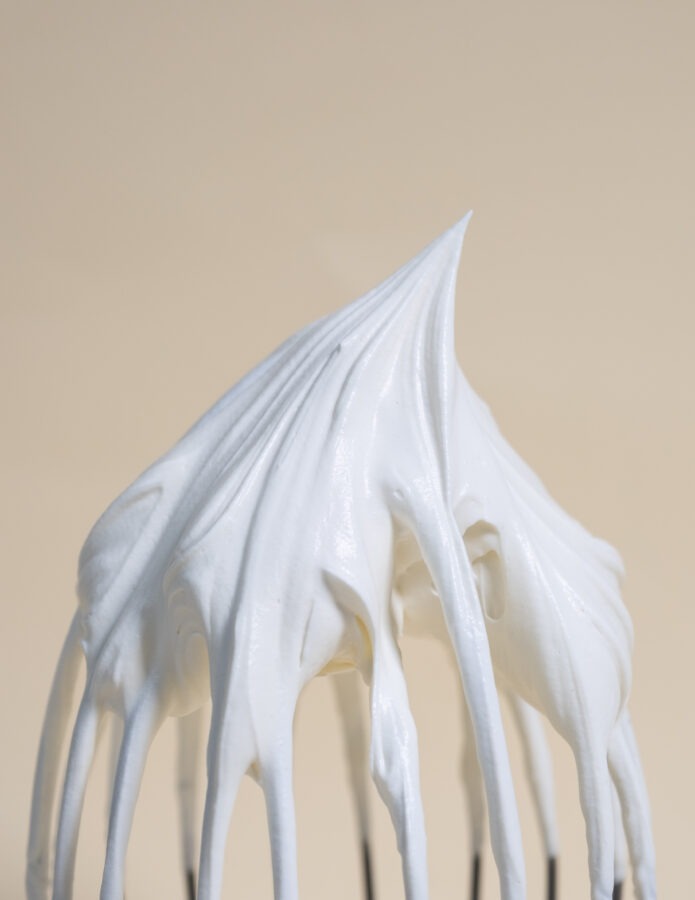
Sobacha Whipped Cream
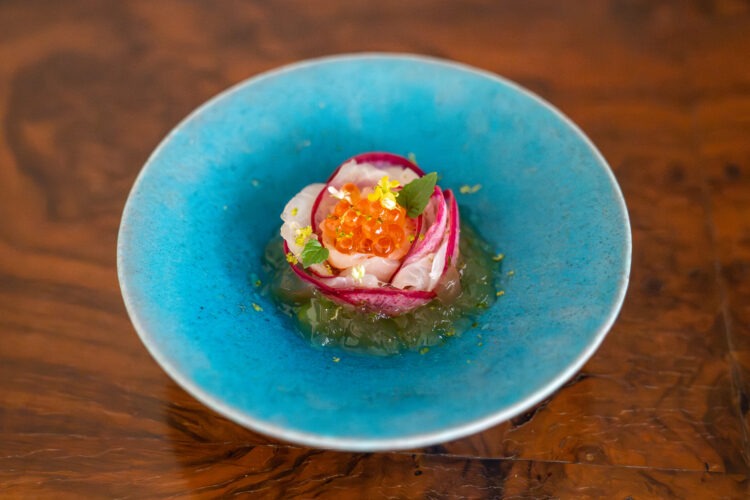
Ishinagi rose in purple radish color, tangy dashi jelly with sobacha
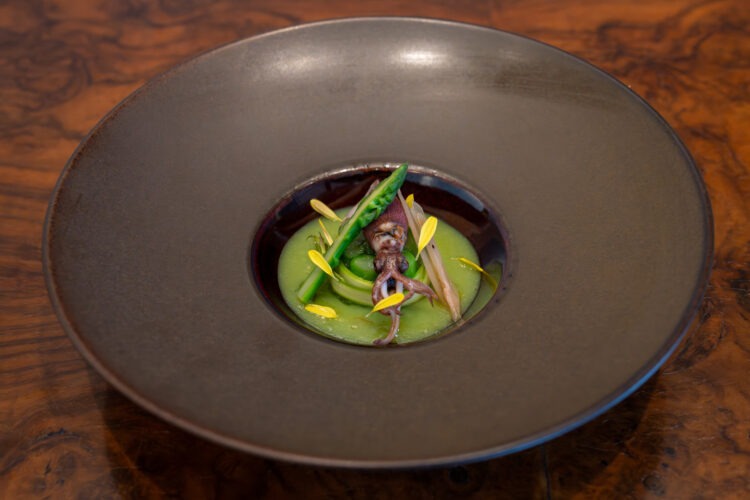
Asparagus Tofu with Sobacha, Hotaru Ika Baby Squid
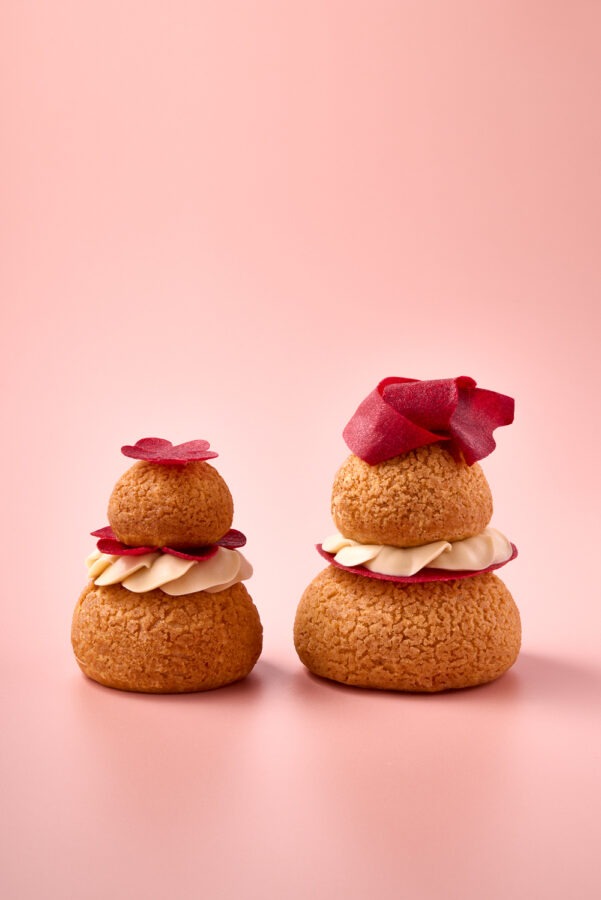
Café and Raspberry Religieuse – Süvy
Sobacha Highball Cocktail
Sobacha Raspberry Marshmallow and Praline Chocolate Bar
KOKORO: Crispy, tangy heart
Basque Cheesecake with Sobacha