Gelatin

Technical Support Engineer
June 15, 2026
CategoryEclair Technique
Features, functions, and best practices for use
Jellies, mousses, jellied sweets, aspics, pâtés… Gelatin is used in both sweet and savory dishes. Although it is an ingredient with unique properties, gelatin remains little known and is often used incorrectly.
What is gelatin?
Gelatin is a protein obtained by hydrolyzing collagen, which is extracted from animal tissues such as skin or bones. It is most commonly derived from fish, pork, or beef. Its protein nature has a direct impact on its use: it should never be boiled. At temperatures above approximately 85°C, its proteins denature, and its gelling properties are impaired.
Functional properties
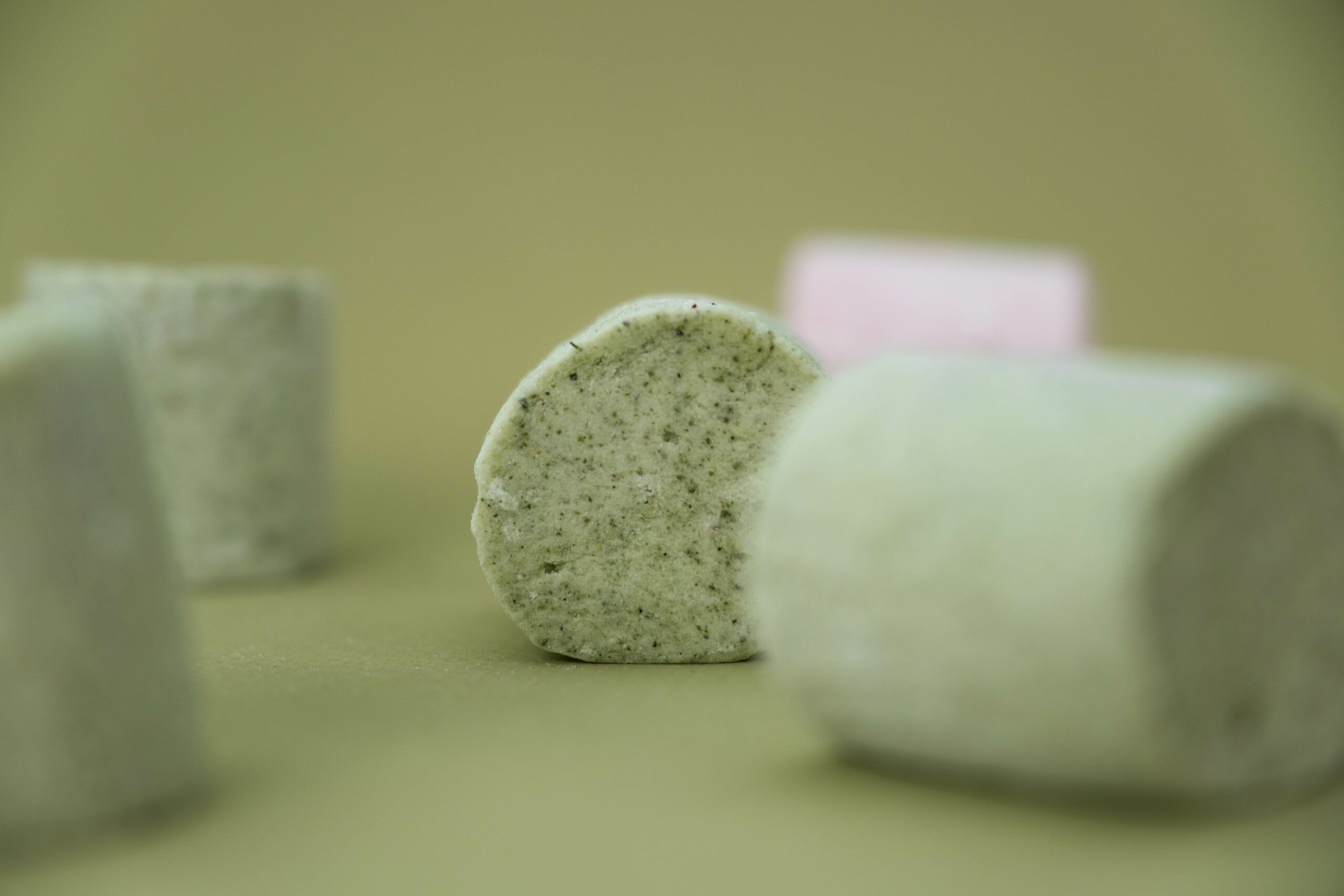
Gelatin is primarily a gelling agent: it traps water to form a soft, elastic gel. But it also has a whipping action, which allows it to be used in light, airy confections such as marshmallows or two-layer candies.
Its most unique characteristic is its thermoreversibility. When heated above 37°C, the gel liquefies, then is able to gel again upon cooling. Since this temperature is that of the human body, the gel melts in the mouth, promoting the release of flavors and making gelatin a unique gelling agent.
It is also worth noting that a gelatin gel is not thixotropic. Once mixed, it breaks into small pieces and cannot regain its original structure.
Gelatin therefore combines multiple functions into a single ingredient (gelling, volume expansion, optimal diffusion of flavors), which makes it all the more difficult to replace when seeking plant-based alternatives.
Making a gelatin mixture: key steps
Making gelatin properly is essential for optimizing its stability, especially when frozen.
Hydration: Hydrate the powdered gelatin with 7 times its weight in water and let it soak for at least one hour.
Heating: Melt the hydrated gelatin to at least 55°C, without ever bringing it to a boil to preserve its qualities.
Chilling: Pour the mixture into a container, cover with plastic wrap, and let it set in the refrigerator, ideally for 24 hours before use.
When carefully stored in a cool place and handled properly, this gelatin mixture can be prepared in advance and gradually incorporated into recipes as you work, making it a practical tool for organizing your workflow.
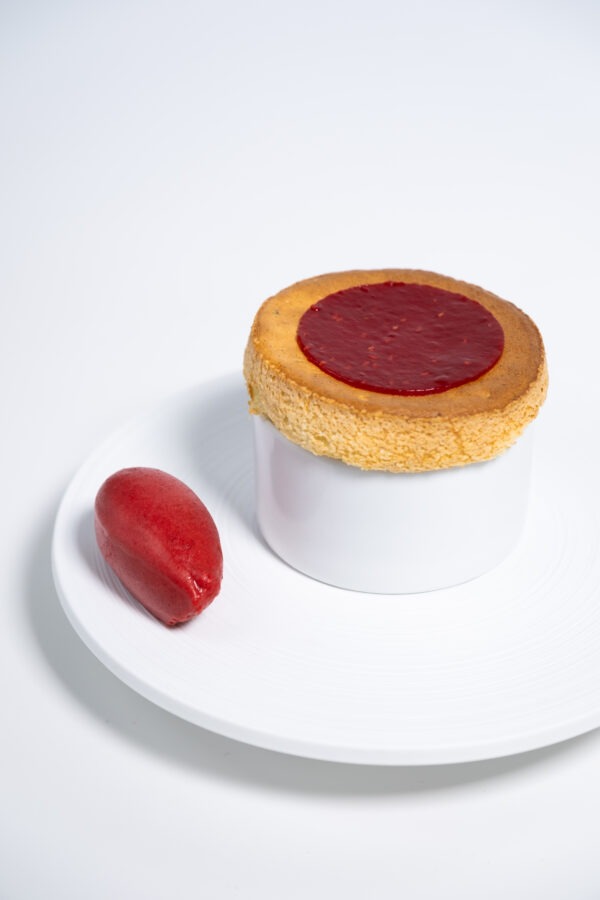
Find the full range of Louis François gelatins on our website, as well as in our recipes such as Raspberry Chip Marshmallows or the Raspberry Basil Dessert.
Discover also
Sobacha Panettone
Louis François' Signature Desserts
Vanilla Chantilly Cream Puffs
Süvy Whipped Cream
Sobacha and Citron Financial

The Good Point
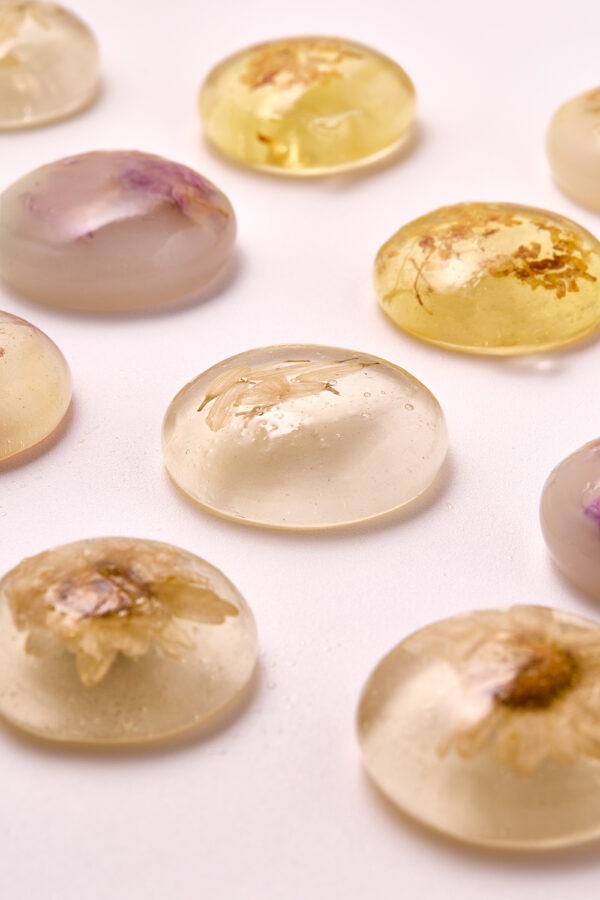
Flowered Spheres