
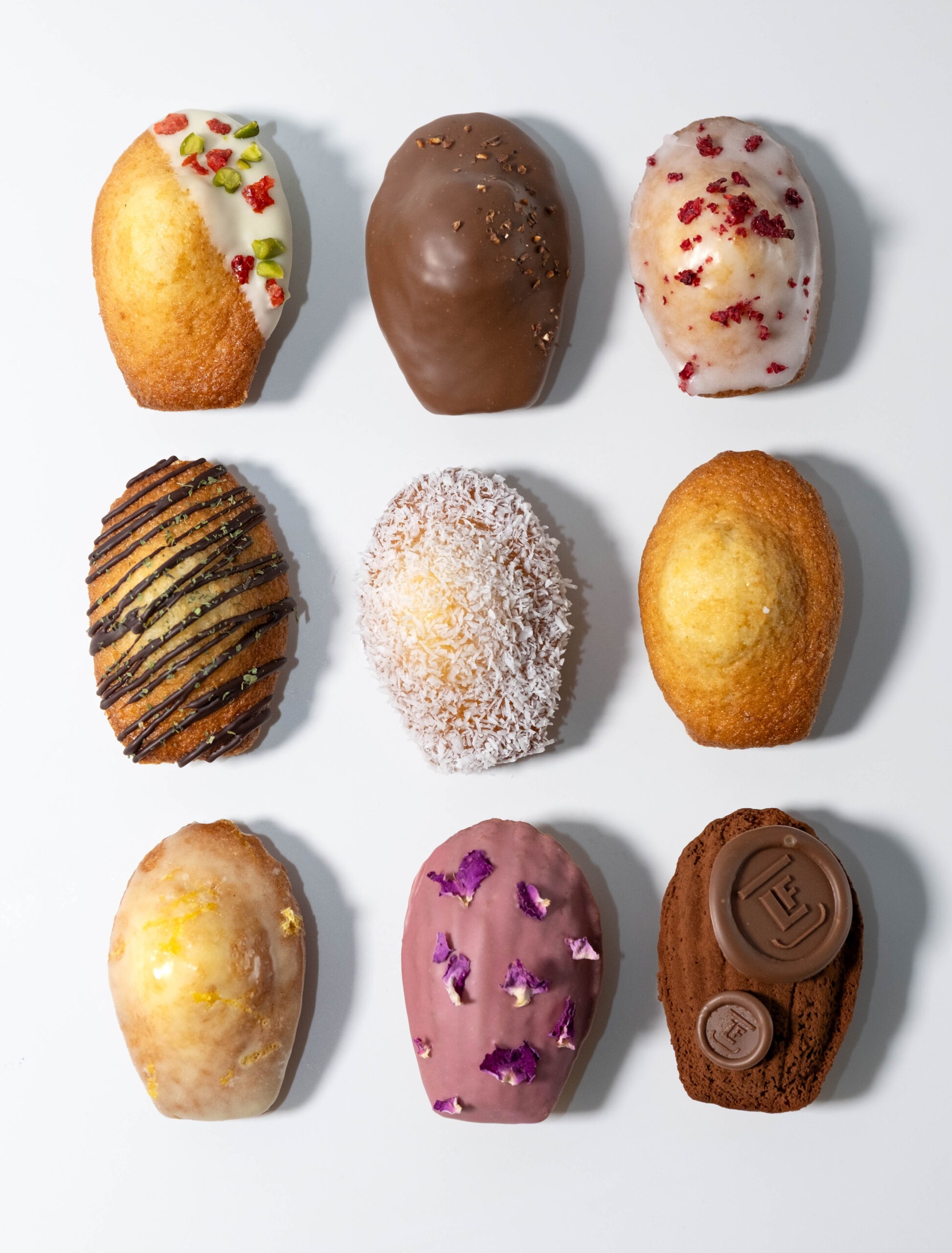
Madeleine

Step1 Madeleine
| 100g | (16,7%) | Sugar |
| 30g | (5%) | Flower honey |
| 95g | (15.9%) | Whole egg |
| 175g | (29,3%) | T55 flour |
| 85g | (14,2%) | Soft butter |
| 30g | (5%) | Grape seed oil |
| 30g | (5%) | Whole milk |
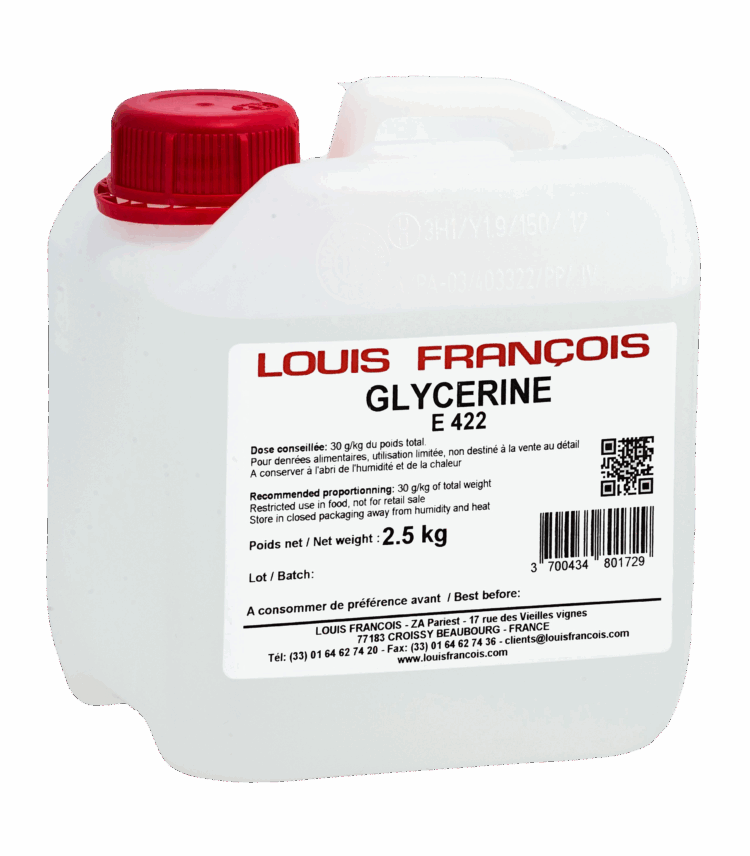
| 30g | (5%) | Glycerin ( ) ) |
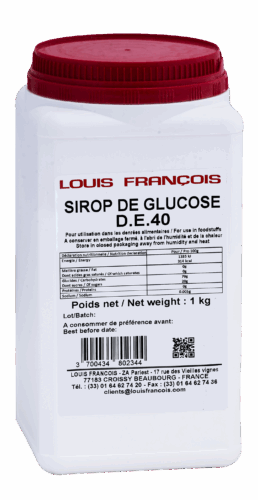
| 16g | (2,7%) | Glucose syrup DE40 () |
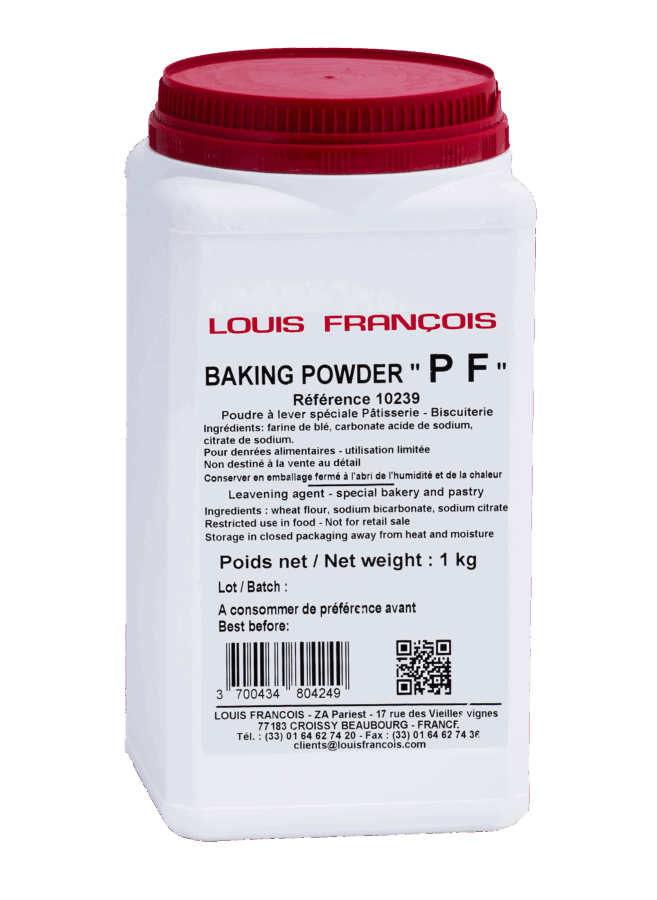
| 7g | (1,2%) | Baking Powder PF () |
| 598g | (100%) | TOTAL |
Bring the milk to a boil in a saucepan. Then add the butter and oil, and heat over low heat until the butter has melted.
In a bowl, whisk together the eggs with the sugar, glucose syrup, glycerin, and honey. Then add the previous mixture while still warm, followed by the flour mixed with the baking powder. You should end up with a nice smooth dough. Cover with plastic wrap and let rest for 1 hour in the refrigerator.
Bake for 2 minutes at 400°F, then lower the temperature to 320°F and continue baking for 4 minutes.
Tip DE40 Glucose Syrup and Glycerin work together to optimize the shelf life of madeleines. Thanks to their hygroscopic properties, they help retain and stabilize water within the product. This action ensures prolonged softness and effectively prevents drying out.
Baking powder is the key ingredient for achieving the perfect texture. By causing a chemical reaction that releases gas during baking, it ensures optimal rising of the dough. It is what creates the madeleine's iconic bump and gives it its final light and airy texture. Its major advantage is that it is phosphate-free.
Products used in this recipe
Discover also
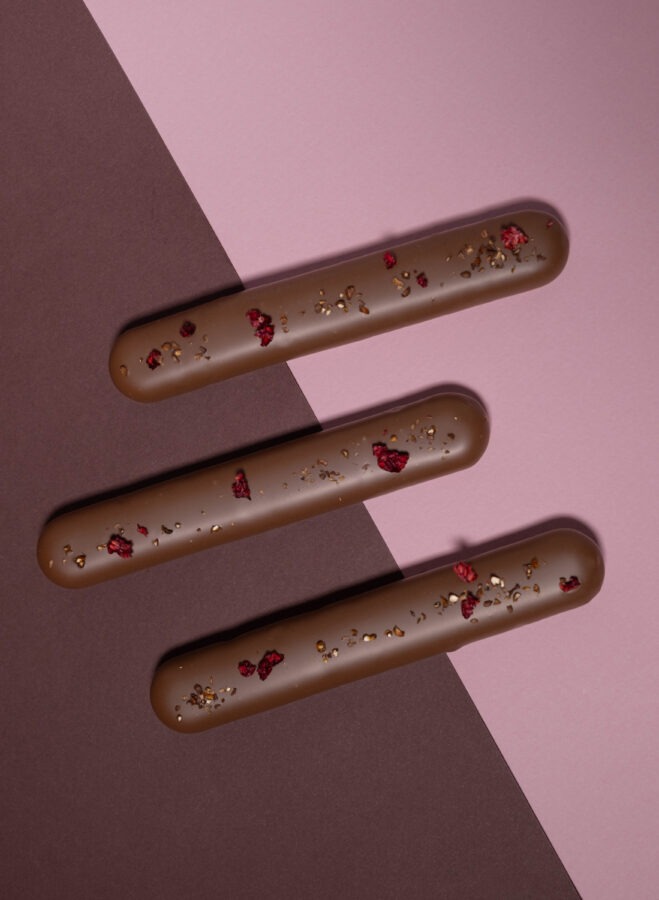
Sobacha Raspberry Marshmallow and Praline Chocolate Bar

Lemon, Matcha, and Strawberry Bocconcino
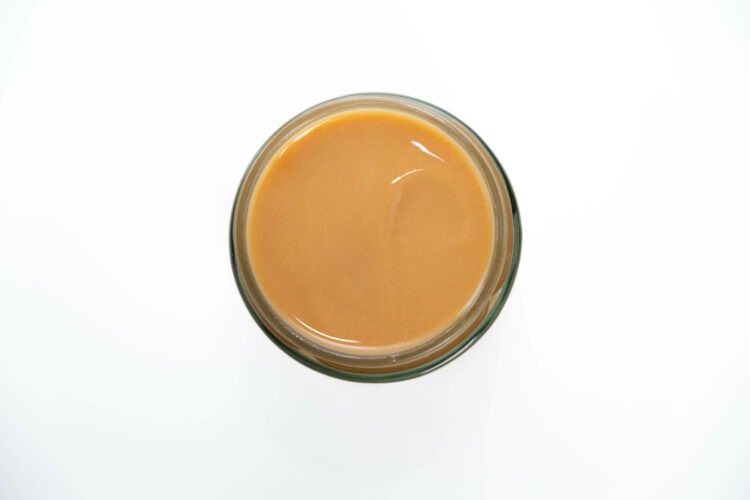
Cajeta: Goat Milk Jam
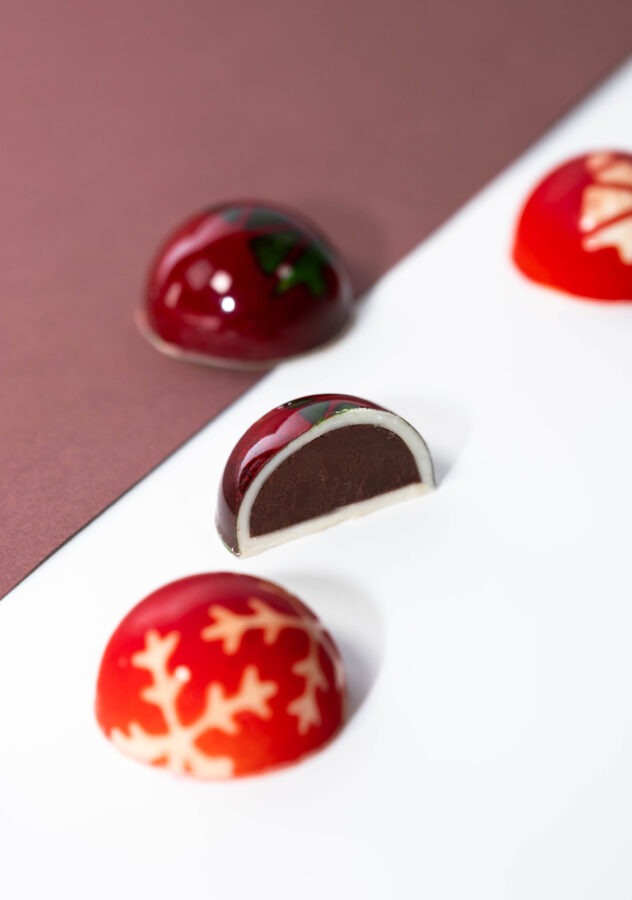
Ganache for molded candies

Citrus log from David Alves

Soft gingerbread
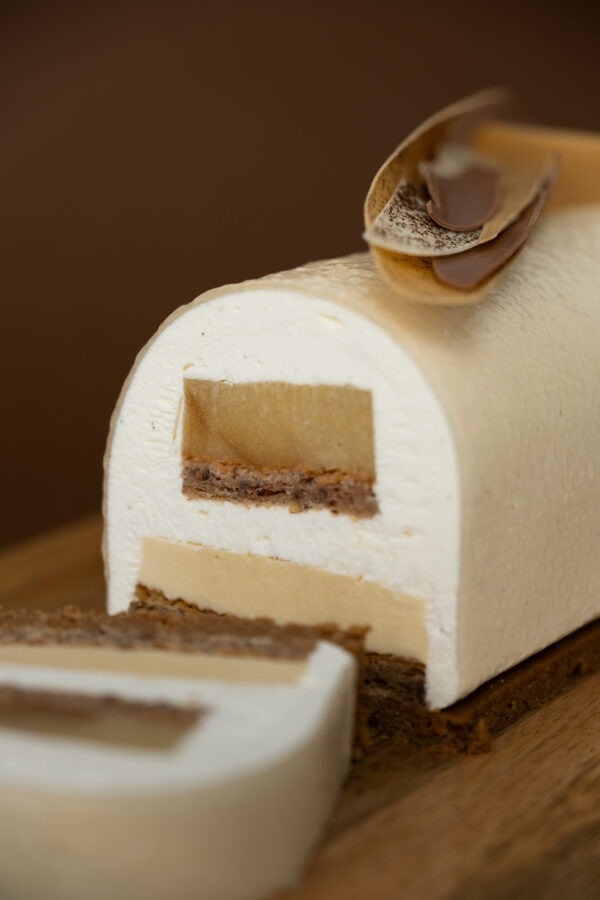
Yule log 2025 - From Montreal to Madagascar

Macaron Végétal Basil and Raspberry
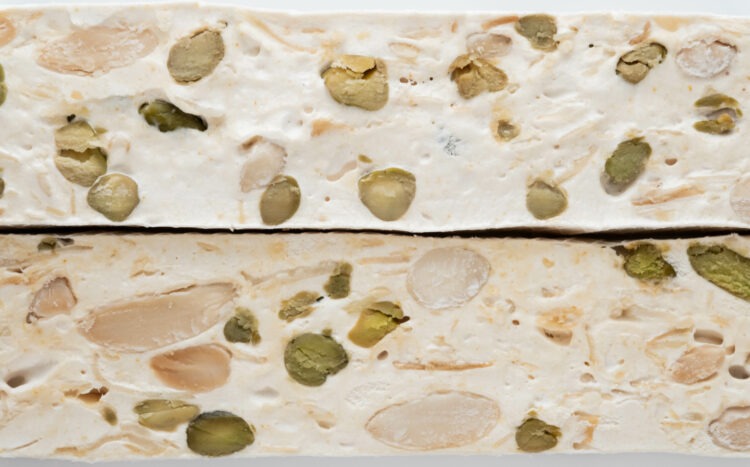
Classic soft nougat